
Shinrin-Yoku & Alphabet Nefertiti
Febrero 2026Lyle O. Reitzel Arte Contemporáneo da inicio a su programación expositiva 2026 con dos eventos simultáneos Shinrin-yoku o Baño de bosque, muestra individual de Gustavo Peña, en la sala A y con una selección de obras del artista invitado Víctor Rodríguez, en la sala B.
Gustavo Peña propone una pausa frente al ritmo contemporáneo: volver al paisaje, respirar con calma y reconectar con lo esencial. Inspirada en el shinrin-yoku, práctica japonesa que invita a sumergirse en el entorno natural a través de los sentidos para reducir el estrés y recuperar el equilibrio, la muestra se despliega como un recorrido visual y emocional, lejos del ruido de la ciudad.
Las pinturas de Peña rinden homenaje al paisaje con un énfasis especial en el agua y en los senderos que conducen hacia ella. Playas, ríos y caminos abiertos funcionan como metáforas del viaje interior: no hay prisa ni destino inmediato, solo la experiencia del trayecto. En su universo pictórico, el agua aparece como destino final, un espacio de reposo y contemplación donde el cuerpo descansa y la mente se aquieta.
En paralelo, la inauguración cuenta con la participación especial del cuerpo de obras del artista mexicano Víctor Rodríguez, quien presenta Alphabet Nefertiti, una selección de obras vinculadas a distintos momentos y ejes de su producción en la última década. Su obra introduce un contrapunto desde la figuración contemporánea, la memoria y las capas de tiempo. Sus imágenes marcadas por el rostro fragmentado, la máscara y el eco histórico amplían el diálogo hacia otros territorios de la experiencia humana: la identidad, la historia y la pintura como espacio de revisión y transformación.
El cruce entre ambos lenguajes propone una experiencia complementaria: por un lado, el paisaje como refugio y contemplación; por el otro, la figura como memoria activa y campo de resonancias simbólicas. Dos miradas que conviven en una misma apertura de temporada, reafirmando la vocación de la galería por generar diálogos sólidos y sensibles dentro del panorama del arte contemporáneo latinoamericano.
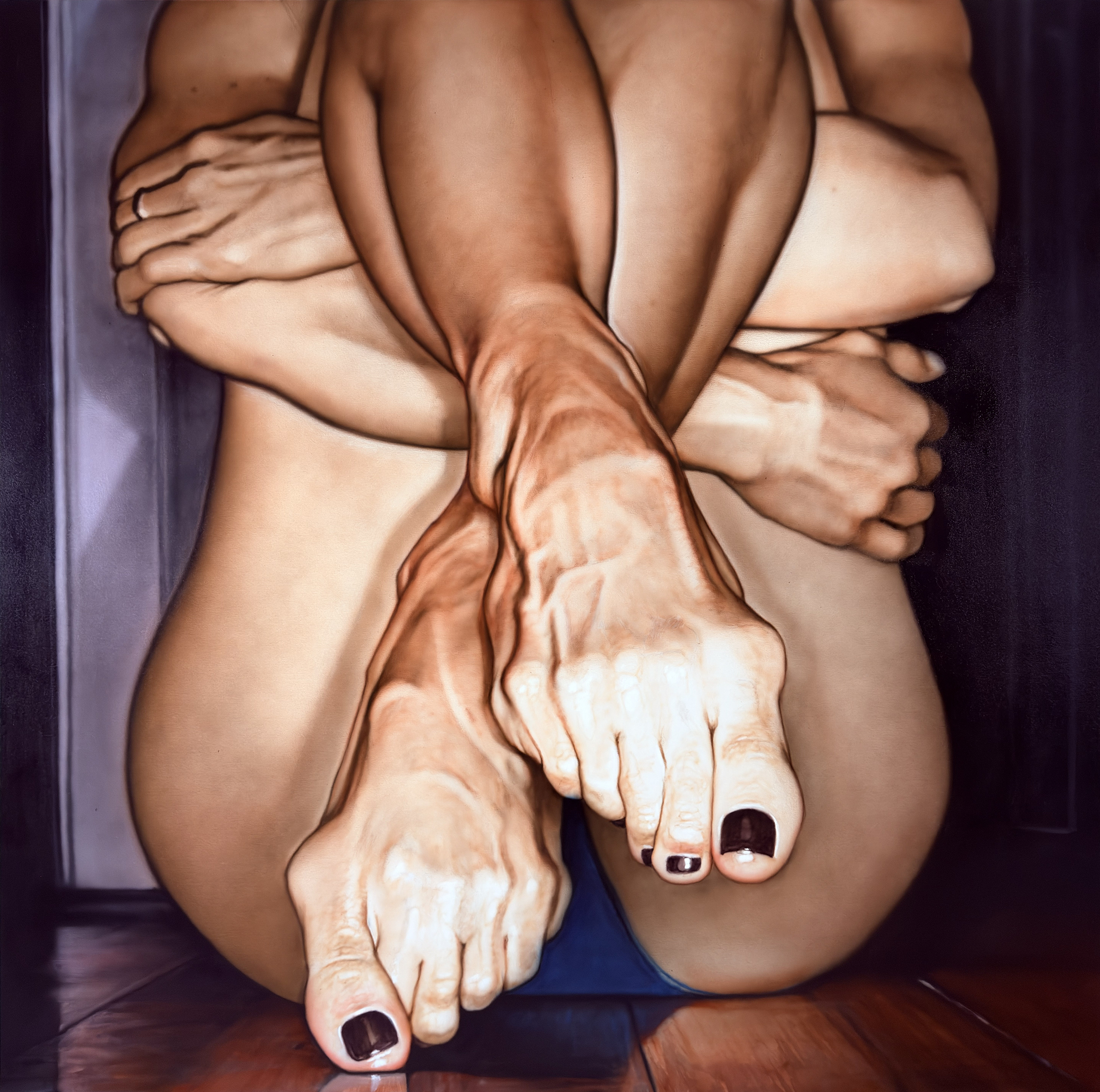
Victor Rodriguez, Cathedral Ballerina, 2025, Acrylic on canvas, 68h x 68w in, 172.72h x 172.72w cm
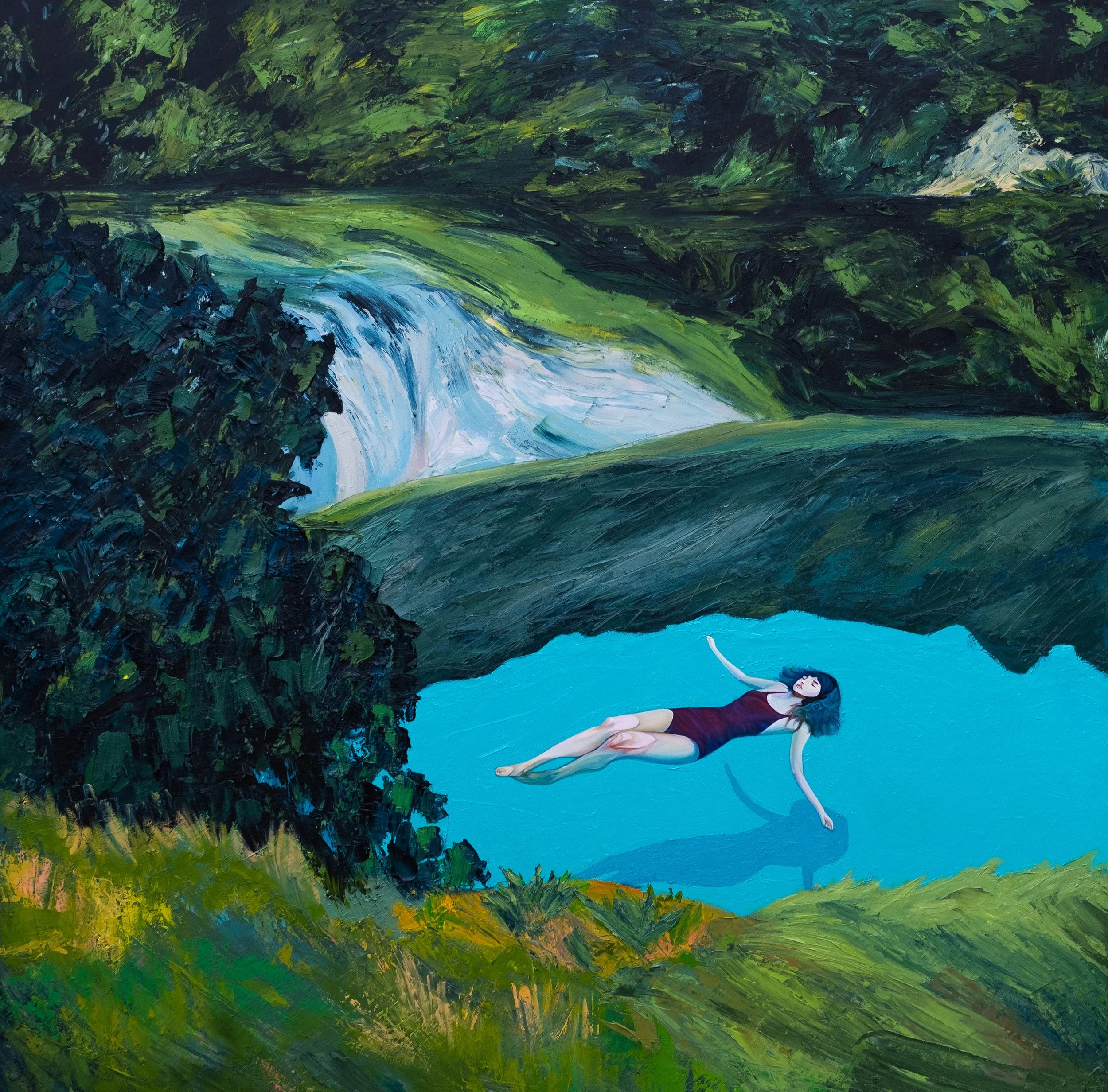
Gustavo Peña, La Modelo, 2026, Oil on Canvas, 70h x 70w in, 177.80h x 177.80w cm
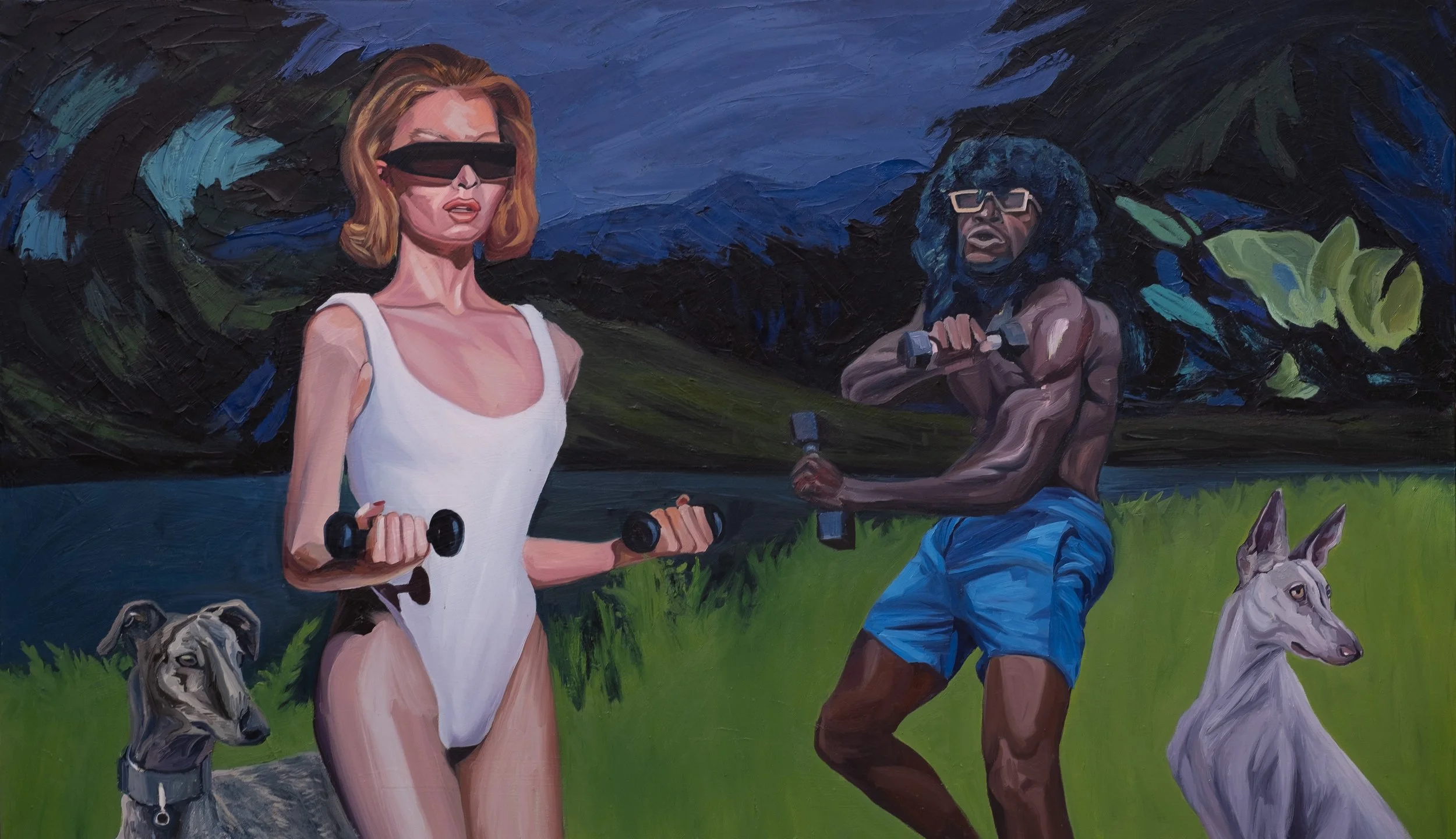
Gustavo Peña, Ocurrencia Regular, 2026, Oil on Canvas, 48h x 82w in, 121.92h x 208.28w cm
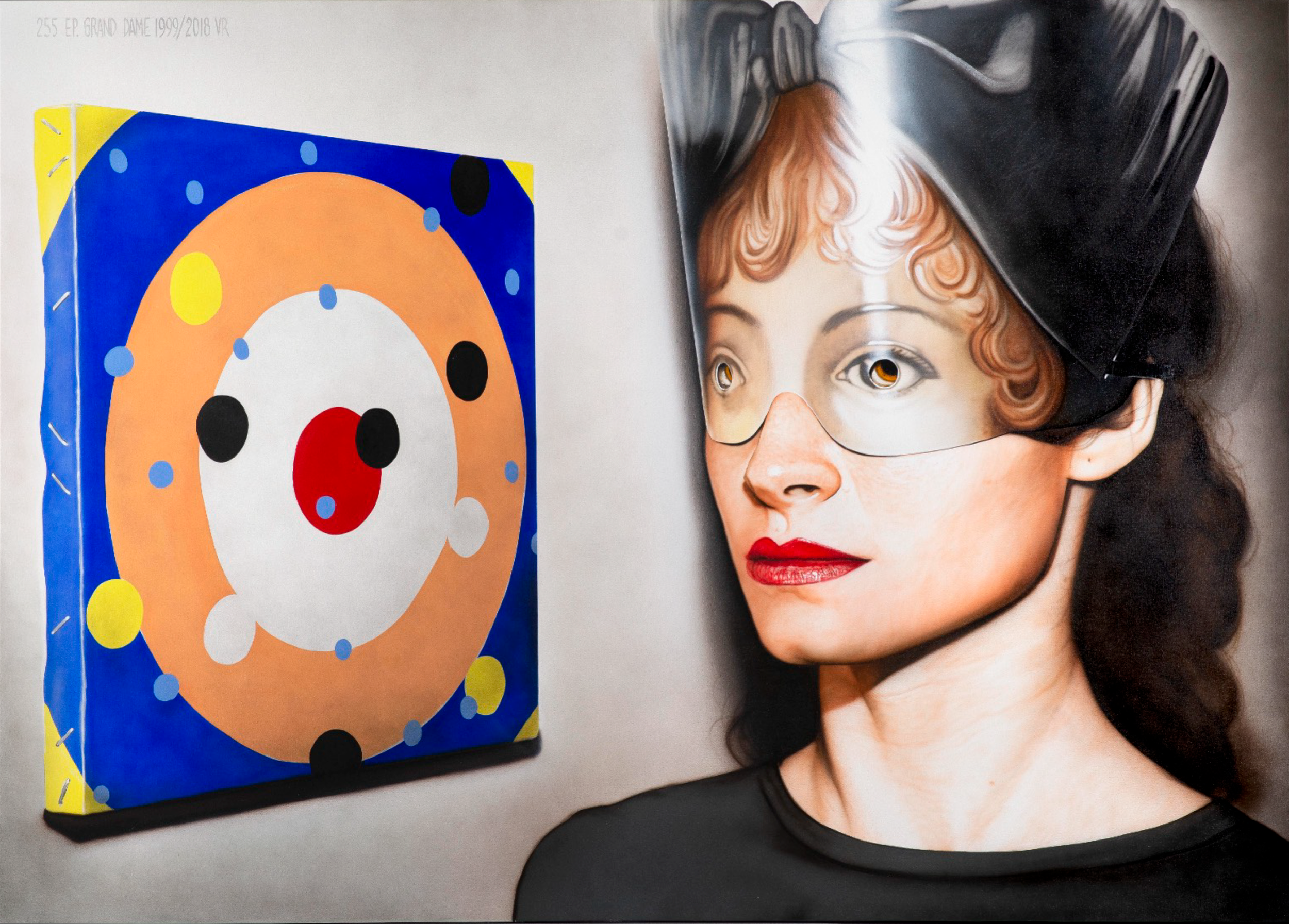
Victor Rodriguez, Grand Dame 5, 2019, Acrylic on canvas, 68h x 96w in, 172.72h x 243.84w cm
Lyle O. Reitzel Contemporary Art kicks off its 2026 exhibition program with two simultaneous events: “Shinrin-yoku, or Forest Bathing,” a solo exhibition by Gustavo Peña in Gallery A, and a selection of works by guest artist Víctor Rodríguez in Gallery B.
Gustavo Peña proposes a pause from the contemporary pace: returning to the landscape, breathing calmly, and reconnecting with the essential. Inspired by shinrin-yoku, a Japanese practice that invites one to immerse oneself in the natural environment through the senses to reduce stress and restore balance, the exhibition unfolds as a visual and emotional journey, far from the noise of the city.
Peña’s paintings pay homage to the landscape with a special emphasis on water and the paths leading to it. Beaches, rivers, and open roads function as metaphors for the inner journey: there is no rush or immediate destination, only the experience of the journey itself. In his pictorial universe, water appears as the final destination, a space of rest and contemplation where the body rests and the mind quiets.
At the same time, the opening features a special presentation of works by Mexican artist Víctor Rodríguez, who is exhibiting *Alphabet Nefertiti*, a selection of pieces linked to different moments and themes in his practice over the past decade. His work offers a counterpoint through contemporary figuration, memory, and the layers of time. His images, marked by the fragmented face, the mask, and historical echoes, expand the dialogue into other realms of human experience: identity, history, and painting as a space for reflection and transformation.
The intersection of these two languages offers a complementary experience: on the one hand, the landscape as a refuge and a space for contemplation; on the other, the figure as active memory and a field of symbolic resonances. Two perspectives coexisting within the same season opening, reaffirming the gallery’s commitment to fostering robust and sensitive dialogues within the landscape of Latin American contemporary art.